
Skin that once felt firm and resilient begins to change. It happens gradually, so gradually that many women barely notice at first. Then one morning the reflection in the mirror makes it impossible to ignore. The jawline softens. The neck loses its definition. The skin around the cheeks and eyes looks less taut than it used to. This is skin laxity, and it is one of the most common concerns we hear about at our boutique clinic on Northcote Road.
The good news is that surgery is far from your only option. Non-surgical and minimally invasive approaches have advanced considerably, and for many women, they deliver meaningful, visible results without the downtime, cost, or risk that comes with going under the knife. This guide walks through what skin laxity actually is, what causes it, and the professional treatment pathways we offer to address it.
Understanding What Causes Skin to Lose Its Firmness
Skin laxity is not simply a cosmetic issue. It is a physiological one. As we age, the body produces less collagen and elastin, the two structural proteins responsible for keeping skin firm, plump, and able to bounce back. From our mid-twenties onwards, collagen production declines at a rate of roughly one per cent per year. By the time visible laxity appears, the cumulative loss is already significant.
Several factors accelerate this process. Prolonged sun exposure is among the most damaging, breaking down collagen fibres and impairing the skin's ability to regenerate them. Significant weight fluctuation, hormonal shifts particularly around the menopause, poor nutrition, and lifestyle habits such as smoking all play a role. Genetics also contribute, meaning two women of the same age may experience very different degrees of laxity.
Understanding the root cause matters because it informs the treatment approach. Effective management of skin laxity is not about masking the problem; it is about stimulating the skin's own repair mechanisms from within.
Why a Personalised Approach Makes All the Difference
At Eleni London Skin Care and Aesthetics, we do not believe in one-size-fits-all protocols. With over four decades of experience in the aesthetics industry, our founder Eleni Kiomourtzi has always maintained that each client's skin tells its own story. The degree of laxity, the underlying causes, the client's age, lifestyle, and skin type all shape what treatment plan will be most appropriate.
This is why every client journey begins with a thorough consultation. We assess the skin carefully before recommending anything, ensuring that the treatments we propose are genuinely suited to the individual rather than applied generically.
Non-Invasive Treatments That Stimulate Collagen
Radiofrequency (RF) treatments are among the most well-established non-surgical options for skin laxity. They work by delivering controlled heat energy into the deeper layers of the skin, triggering the body's natural wound-healing response. This stimulates the production of new collagen and elastin over time, gradually improving skin firmness and texture. The results build progressively over several weeks following treatment, making it an excellent option for those who prefer subtle, natural-looking improvement.
Microneedling is another approach with strong clinical backing. Fine needles create micro-channels in the skin's surface, prompting the body to produce fresh collagen in response. When combined with targeted serums or growth factors, the results can be significantly enhanced. We use microneedling to address laxity, texture concerns, and overall skin quality, and it remains one of our most popular treatment choices for clients who want visible but natural results.
Ultrasound-based treatments focus energy even deeper, reaching the superficial muscular aponeurotic system (SMAS) layer, the same layer targeted in surgical facelifts. This makes them particularly useful for addressing laxity around the neck, jawline, and brow.
The Role of Advanced Laser Technology
We recently invested in the Xlase Plus, an intelligent laser platform specifically designed for the treatment of skin and vascular lesions as well as hair removal. This investment reflects our ongoing commitment to giving our clients access to the most advanced clinical technology available.
When it comes to skin quality and laxity, laser treatments can address a range of contributing factors including pigmentation, uneven texture, visible vascular changes, and surface-level skin damage that exacerbates the appearance of laxity. By improving overall skin quality at a structural level, laser treatments complement other laxity-focused protocols to deliver more comprehensive results.
The Xlase Plus allows us to treat a broader range of skin concerns with precision, safety, and consistency, which means our clients benefit from a higher standard of care at every visit.
Professional Skincare as Part of a Laxity Management Plan
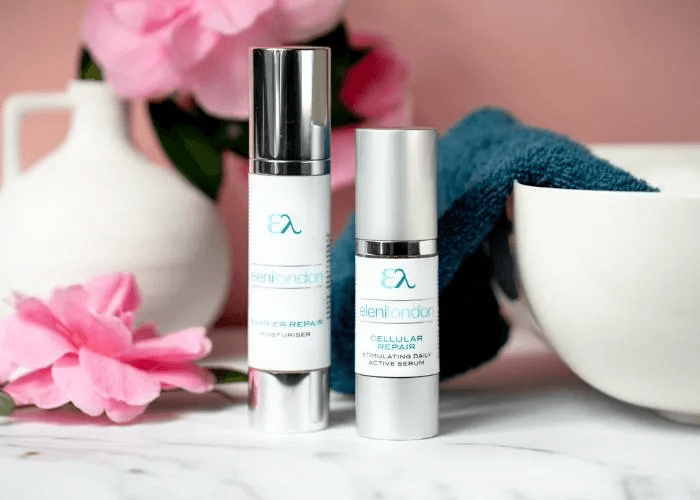
Clinic-based treatments work best when supported by a consistent, well-chosen home skincare routine. At Eleni London Skin Care and Aesthetics, our own skincare range has been formulated to the highest standards. Every product is vegan, cruelty-free, and clinically tested, and developed with the same philosophy that guides our in-clinic work: that healthy skin requires targeted, intelligent care rather than generic solutions.
Key ingredients to look for when managing laxity at home include retinoids, which accelerate cell turnover and support collagen synthesis; peptides, which signal the skin to produce more structural proteins; vitamin C, a potent antioxidant that protects existing collagen and supports new production; and broad-spectrum SPF, which remains the single most important daily habit for preventing further collagen degradation.
We always advise clients on the right product combination for their specific skin during consultations, because layering the wrong ingredients or using products unsuitable for your skin type can actively undermine the results achieved in clinic.
What Results Can You Realistically Expect?
This is a question we are asked regularly, and it deserves an honest answer. Non-surgical treatments for skin laxity require patience. Results are not instantaneous. Most protocols involve a course of sessions, and the most visible improvements typically emerge over a period of two to three months as collagen remodelling takes place beneath the surface.
Maintenance treatments are also part of the picture. Unlike surgery, which offers a more permanent structural change, non-surgical approaches require ongoing care to sustain results. For many clients, this is actually preferable as it allows them to stay in control of their progress and adjust their approach as their skin continues to change over time.
Realistic expectations, combined with the right treatment plan, consistently produce outcomes that clients are genuinely pleased with. The goal is not to reverse the clock dramatically but to restore a sense of firmness, vitality, and confidence in how the skin looks and feels.
If skin laxity is a concern you have been considering addressing, the most productive next step is a professional assessment. Every face is different, and the right combination of treatments for you will depend on a thorough evaluation of your skin's current condition and your personal goals. We welcome you to visit us at our Northcote Road clinic or get in touch through our website to arrange a consultation. You can find out more about the treatments and products we offer at Eleni London Skin Care and Aesthetics.